SinDe Barnwell: My Writing Journey
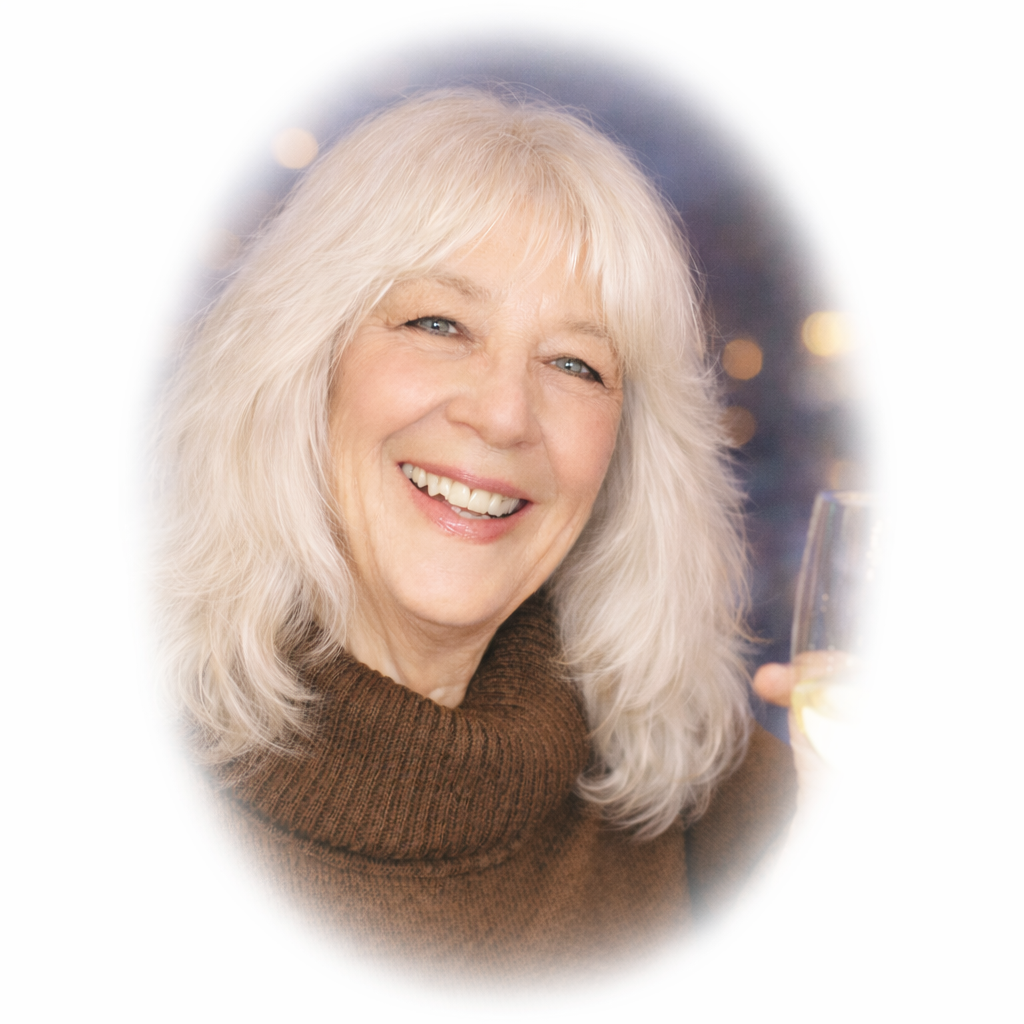
My name is SinDe, and for the past several years, I have interviewed successful authors, asking questions about how they write, why they write, where they write, and when they write.
It’s been an interesting journey and a wonderful learning experience.
I suppose, like many of you, I always felt I had a story to tell, but like most, I never sat down long enough to tell the story, to write the words that danced in my head. I didn’t know how to get the story from inside my head to the page.
So, I did the next best thing. I talked to authors who had done what I wanted to do, and I learned everything I could from them.
So, let’s go back to the beginning, when I first got the idea I wanted to write a novel.
I am new to this, so take what I say with a grain of salt. Writing is a journey, and for me, it was an exciting one. There is no one path. We all do it differently, so before I offer my two cents’ worth, let me say, “Do what works for you.”
The first author I asked about writing referred me to Stephen King’s book, On Writing: A Memoir of the Craft. I love the book. I bought the audiobook. I have listened to King read his memoir dozens of times. I didn’t learn much from the book, except to sit down and start writing the first couple of times I listened. Then something clicked.
ADVERBS
Oh! I did learn that adverbs are an author’s worst enemy. That is a big lesson and a valuable one. Since my first reading of King’s memoir, I can’t count the number of authors who have said, “Show. Don’t tell.” That’s where the adverbs get axed. Adverbs tell. They don’t show.
How to remedy that? Simple, but it takes some thought. If a character moves “slowly,” that is telling. If the same character “drags his feet across the floor at a snail’s pace,” that’s showing. It creates a visual image in the reader’s mind.
You can read my take on ADVERBS and why I love them here.
OVERUSE OF WORDS OR PHRASES
My second valuable lesson came when I asked an author friend (she knows who she is) to read something I wrote. She politely crucified my writing. She taught me that we all have words and phrases that we overuse. Guilty as charged. (Thank you, Pat McDonald)
I put my piece of crap aside and started reading some of my favorite authors. Now, every time I see nonplussed, or someone smiling wryly, or a character gaining purchase on something, I cringe. All good words, but in my opinion, some of the most overused phrases in fiction. That was lesson #2.
PANTSER OR OUTLINER
Some authors outline every book from start to finish. Some outline chapters, others scenes. Then there are the pantsers. They just sit down and start writing, letting the story and the characters lead the way.
I think I’m a combination of both. I know where my story starts. I know where I want it to end. I put what I call mile markers along the path so I don’t go too far astray.
CHARACTER ARC VS. PLOT
When I first sat down to write, I was all about plot, telling a story. Someone pointed out to me that almost anyone can tell a story. We tell stories all day in our conversations, whether we realize it or not.
A good novel isn’t just about the story. It’s about the characters. Those imaginary people we create drive the story forward. They are the vehicle of any good work of fiction. If the protagonist(s) don’t change over time, there is no story to tell.
TIME, SPACE, AND WORD COUNT
I do wish I were so disciplined. I tried to structure my time, but anyone who knows me knows I’m a fly-by-the-seat-of-my-pants kind of person. I write when I feel like it. Definitely not one to sit and stare at a blank page for hours. Luckily, the characters who are trapped in my head often start screaming to get out. When they scream loud enough, I sit down and write.
Sometimes they have a lot to say. Sometimes, not so much. They dictate my word count, although I didn’t even think of counting the words until I finished the first novel. I love my characters, but they said too much, way too much. They screamed and fought with me all the way to the chopping block.
SENTENCE STRUCTURE
I saved this part until after the chopping block for a reason. It hurts a writer to cut words they have put on paper (or a computer screen). I didn’t actually chop any words. I cut them from the manuscript and saved them. The words that do not appear in The Munich Deception are saved in case I need them sometime in the future (Book 2) when the characters reappear.
Here’s a hard lesson for any writer. Every sentence must have purpose and move the story forward. If it’s just sitting there because the author thinks it sounds good, it has no purpose and should be cut.
By no means am I an expert on writing, so again, I caution any wannabe writer to do his or her own study of the craft. In my case, I interviewed successful authors. I attended seminars online and in person. BUT, and this is a big one, I write as a hobby, because I enjoy the process. I do not write to earn a living or to pay my bills. I write because it makes me happy, and if along the way a few readers find enjoyment in my words, all the better.
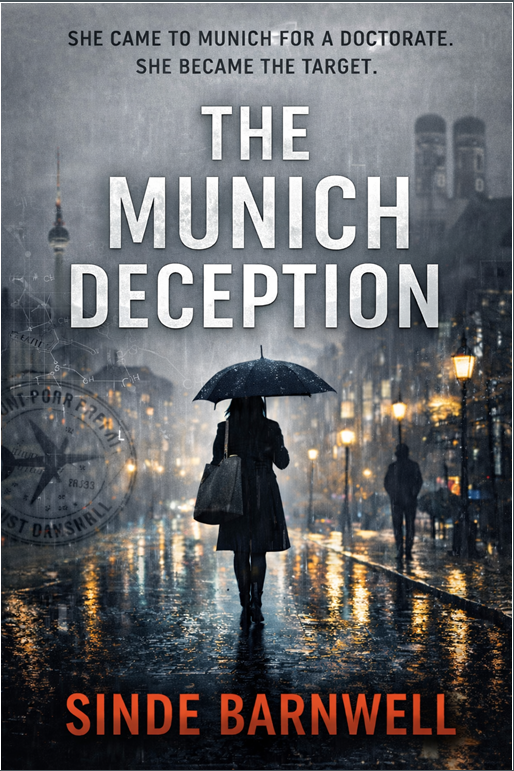
My debut novel, The Munich Deception, is now available on Amazon as a Paperback, ideal for a beach read this summer, or as an ebook that is easy reading any time.
Perfect for fans of slow-burn espionage, psychological tension, and intelligent female protagonists caught in dangerous games of power and deception.
As an Amazon associate, I may receive a commission from any purchase on this page.